
Frequently Asked Questions About Bee Removal in Austin, TX
Since Keith's Bee Service started here, how has bee removal in Austin changed?
The biggest shift has been building density. As Austin has grown, more homes are packed closer together, which means a single established colony can affect several neighboring properties before anyone notices. Early identification matters more than it used to.
Do the bees survive the removal?
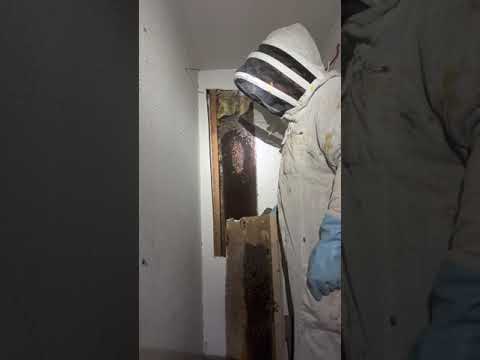
Our default approach for honey bee colonies is live relocation. We remove the comb and bees together and transport them to a site outside residential Austin, rather than treating the colony with pesticide.
How quickly can you get to my Austin home for bee removal?
Response time depends on the day’s schedule and the urgency of the situation, but active swarms and colonies near doorways or children’s areas are prioritized for same-day or next-day appointments.
What does bee removal typically cost in Austin?
Pricing varies based on hive location, how established the colony is, and how much of the wall or eave needs to be opened. We provide a written quote after inspecting the property.
Is a swarm on a tree in my Austin yard dangerous?
A swarm resting on a branch or fence is usually calm and temporary, since the bees have no comb or honey to defend yet. It still should not be disturbed, and we can relocate it quickly before it moves into a structure.
Do you treat carpenter bee damage on older Austin homes?
Yes. Original wood trim on homes in neighborhoods like Hyde Park and Bouldin Creek is a common carpenter bee target, and we treat the existing tunnels and address exposed wood driving the activity.
What happens to the honeycomb after a removal at my Austin property?
Comb and honey are removed along with the bees. Leftover comb inside a wall attracts secondary pests and can stain drywall, so full removal is part of every job, not an optional add-on.