
 Call Today!
Safe Bee Removal That Starts With the Real Problem
One of the biggest mistakes people make is treating bee activity like a surface problem. If bees are entering a wall, attic, roof-line, shed, or tree cavity, there is usually more going on than what you can see from the outside. That is why our process starts with a close inspection of the property, the insect type, and the location of the nest or hive.
We do not rely on guesswork. We look for where the colony is established, how the insects are getting in, and what needs to be done to remove the issue as safely as possible. That approach helps us deliver safe bee removal that is more complete and more effective than a basic spray-and-leave visit. Our service is built around:
-
Protecting people, pets, and structures
-
Identifying active nesting or hive locations
-
Removing the source of the infestation
-
Reducing the chance of re-infestation
-
Giving clear, honest recommendations after inspection
Complete Hive Removal and Bee Nest Removal
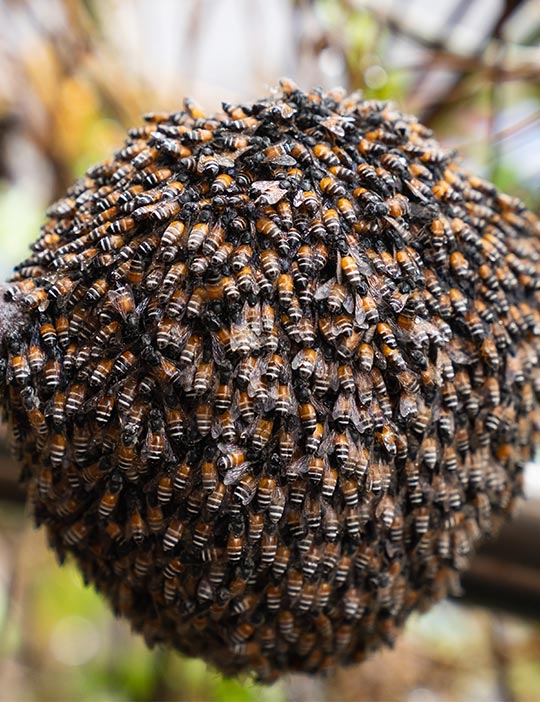
When bees move into a structure, partial treatment often leaves property owners with the same problem all over again. Our hive removal and bee nest removal services are designed to address established activity at the source. That may include bees in walls, attics, eaves, trees, or other protected spaces around the property. We provide:
-
Live bee removal and relocation when applicable
-
Honey bee removal for active colonies
-
Bee control services for recurring activity
-
Bee nest removal from accessible areas
Hive removal from structures and exterior spaces
Preventative treatment options after removal
If the colony has been active for a while, complete removal matters even more. Left behind comb, nesting material, or untreated access points can attract future activity and create another infestation later on.
Get Professional Bee Removal That Solves the Source
Stinging insect problems are stressful enough without wondering whether the issue was actually fixed. At Keith’s Bee Service, we focus on safe bee removal, complete hive and nest removal, and practical prevention that helps protect your property long after the visit is over. Whether you need honey bee removal, carpenter bee removal, emergency bee removal, or full pest control for bees and wasps, our team is ready to help. Simply contact us today to schedule service and get clear answers, safe treatment, and a removal plan you can feel confident about.
More Than Bees: Wasp and Bee Removal for Texas Properties
A lot of customers call us thinking they have bees, only to find out they are dealing with wasps or another stinging insect. That is why our service also includes wasp and bee removal for the species commonly found around homes and commercial properties in the area. We handle:
- Paper wasp removal
- Red wasp control
- Wasp nest removal and treatment
- Carpenter bee removal
- General stinging insect removal
- Exterior treatments to discourage future nesting
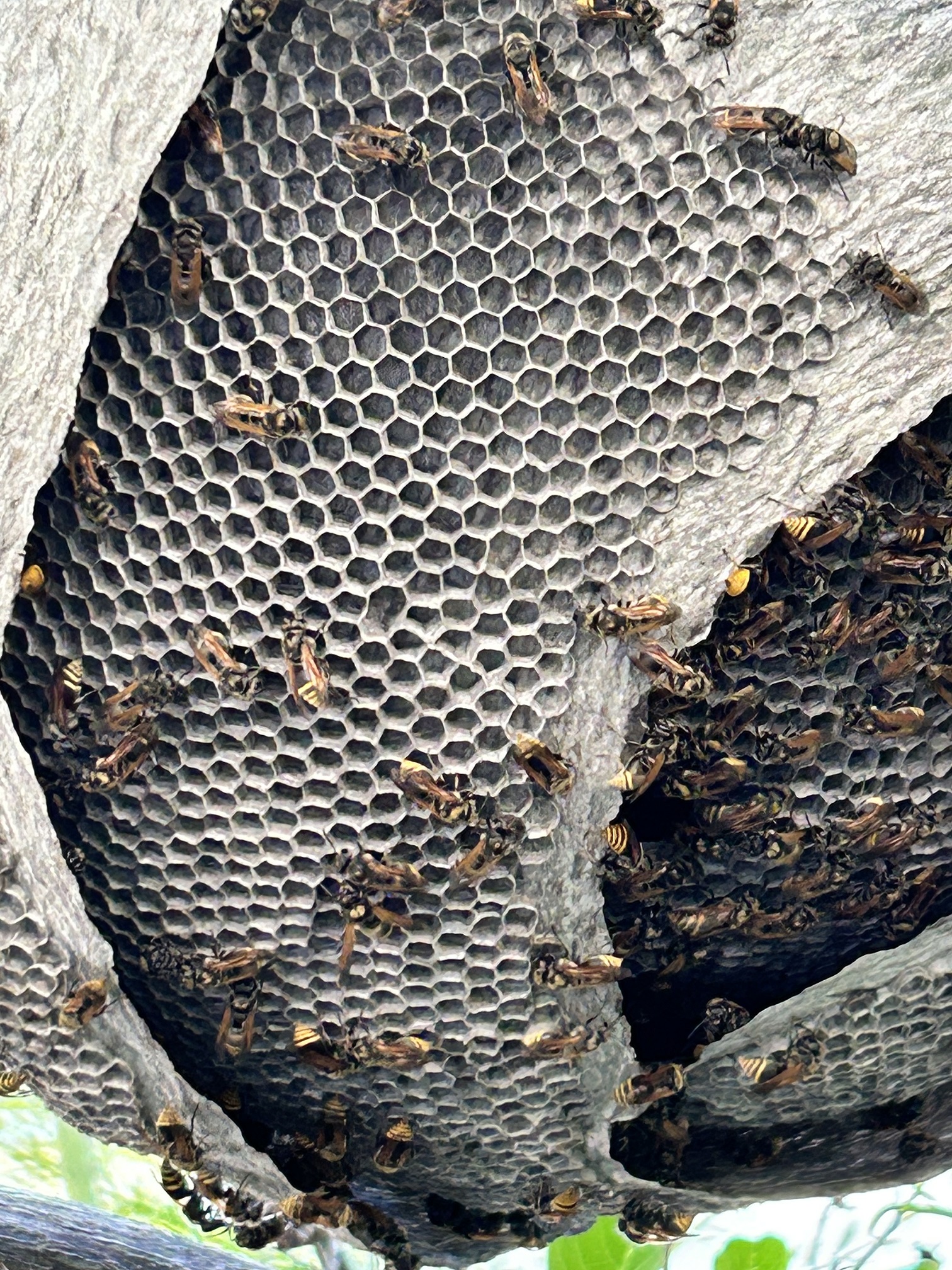
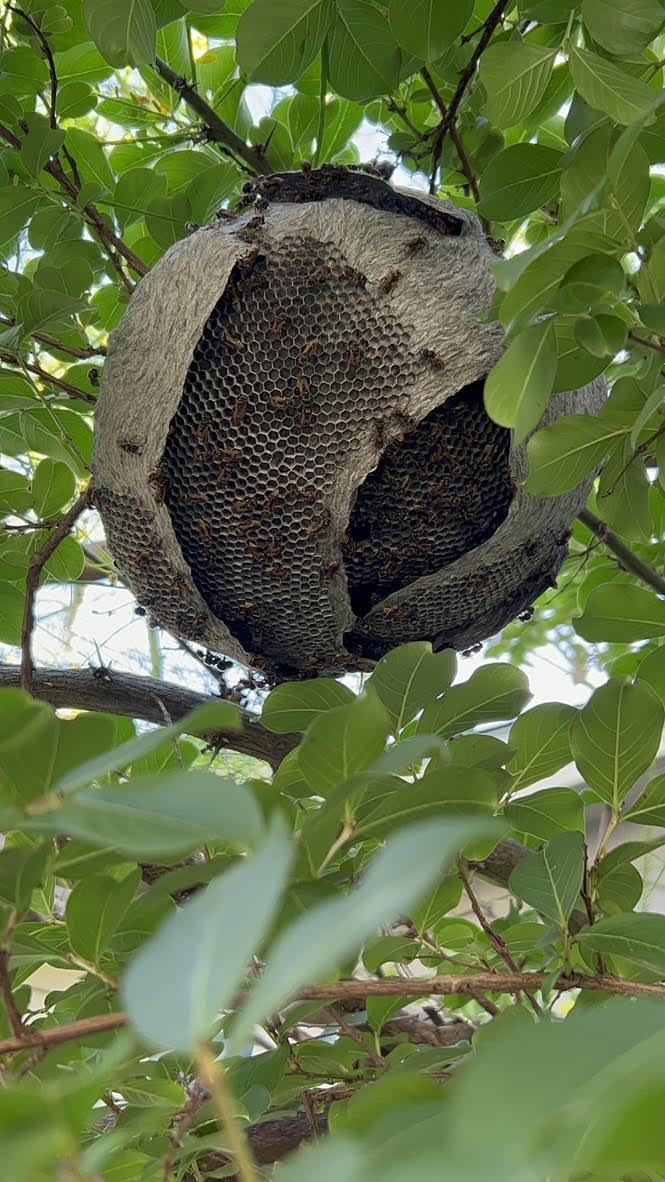
This matters because each type of insect behaves differently. Honey bee removal is not handled the same way as paper wasp treatment, and carpenter bee removal requires a different strategy than a visible hanging nest. Our experience with multiple stinging insect types helps us choose the right response from the start.
Emergency Bee Removal for Active Infestations
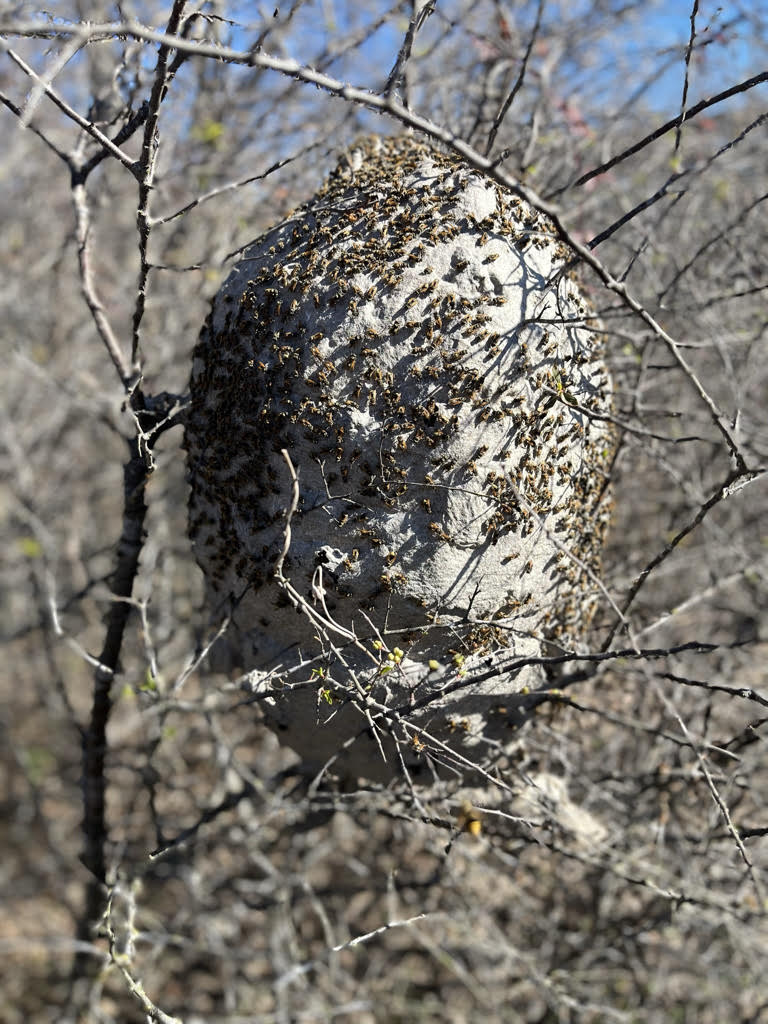
Some situations can wait a day or two. Others cannot. If bees or wasps are swarming near an entrance, building inside a wall near living space, or creating a hazard around kids, pets, customers, or employees, fast action matters. Our emergency bee removal service is meant for those situations where the activity is active, dangerous, or disruptive enough that you need help quickly.
This is especially important during warmer months, when Texas weather supports longer periods of nesting and colony growth. Stinging insect activity can stay high for much of the year, and that means minor problems can become major ones faster than many people expect.
Residential and Commercial Bee Control Services
We provide service for both homes and businesses because stinging insects do not care what kind of property they choose. A homeowner may notice bee traffic around the soffit or a wasp nest over the patio. A business owner may have activity around signage, loading areas, roof-lines, or customer entrances. Our residential and commercial service covers:
- Single-family homes
- Apartment and multi-unit properties
- Offices and retail buildings
- Warehouses and storage areas
- Outdoor gathering areas
- Roof-lines, porches, sheds, and attached structures
As a local bee removal company, we understand how outdoor living spaces, warm temperatures, and protected building features can encourage repeated nesting and colony activity.
Why Property Owners Choose Keith’s Bee Service
People call us because they want the issue handled safely and thoroughly. They also want clear communication about what we found, what we recommend, and what the next steps are. That is exactly how we work. Why customers trust our team:
- Local experience serving Williamson County and nearby areas
- Safe, professional handling of bees and stinging insects
- Fast response for urgent situations
- Inspection-based recommendations
- Complete removal approach, not just surface treatment
- Preventative options to lower return activity
- Residential and commercial service capability
We’re here to solve the problem in a way that makes sense for the property and the people using it every day.
Frequently Asked Questions
-
Do you offer live bee removal and relocation?
Yes, when applicable. Some active colonies can be safely removed and relocated depending on the species, location, and site conditions.
-
What is the difference between bee removal and hive removal?
Bee removal addresses the active insects, while hive removal focuses on removing the established colony or nesting material from the structure or site.
-
Do you handle wasps too?
Yes. We provide wasp and bee removal, including paper wasps, red wasps, and other common stinging insects.
-
How quickly can you respond to an active infestation?
Response time depends on scheduling and severity, but we prioritize urgent situations where there is an immediate safety concern.
-
Can you help prevent bees from coming back?
Yes. We offer preventative treatment options and identify entry points or nesting conditions that may contribute to repeat activity.