
 Call Today!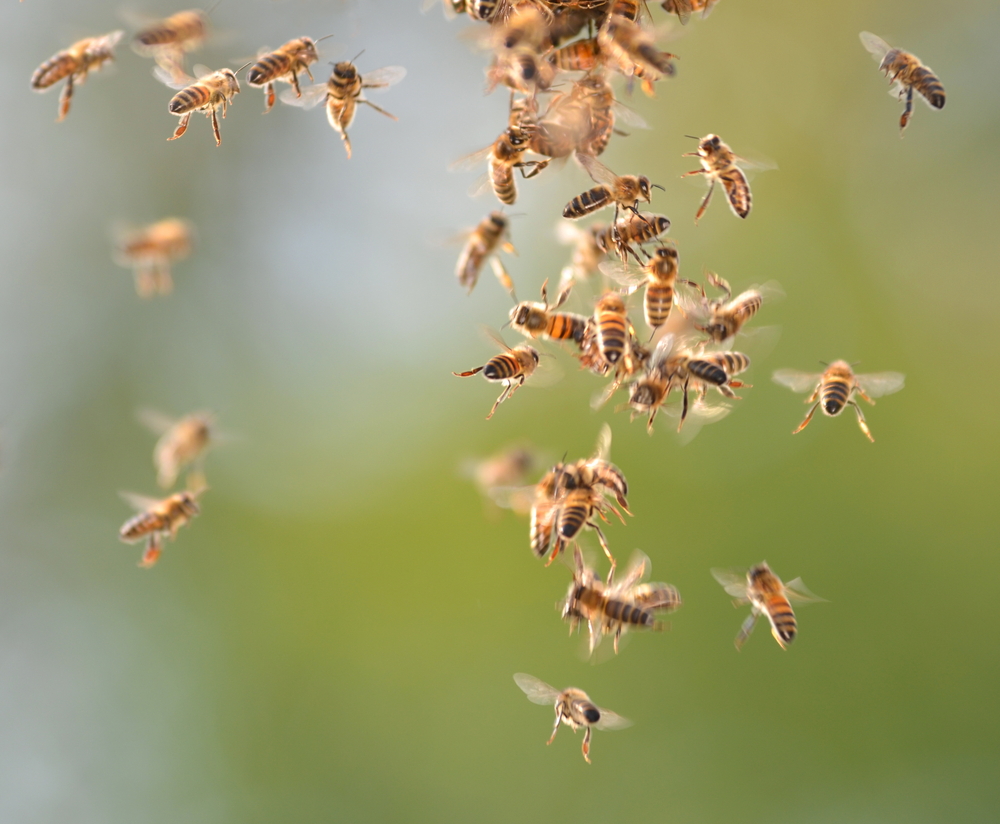
The Buzz on Spring Swarms: How to Safely Handle Bee Swarms in Austin Without Harm
Written by: Keith Huddle
June 8, 2026Every spring, Austin residents begin noticing something unusual in their yards, on their porches, and in the branches of their oak trees: large, humming clusters of bees. For many homeowners, the sight is alarming. But understanding what a swarm actually is, why it happens, and how to respond appropriately can make all the difference between a safe outcome and a dangerous one.
Whether you are a longtime Austinite or new to Central Texas, knowing when to call for live bee removal is one of the most important things you can do for your family, your neighbors, and the bees themselves.
Why Spring Is Peak Swarm Season in Central Texas
Spring in Austin brings blooming wildflowers, warming temperatures, and a surge in bee activity that catches many residents off guard. The reason comes down to biology. Swarms occur most often in spring and early summer as colonies become crowded. When a colony prepares to swarm, the bees produce a new queen, and the old queen leaves with about half of the worker bees to establish a new colony elsewhere.
Swarms occur after honeybee colonies build up their populations, and swarming is a natural way for bees to expand and maintain the overall health of the hive. It is not uncommon for swarms to occur after an abrupt shift to warm days. In Austin, those warm days arrive early and often, which is why swarm calls tend to spike from February through May.
Austin’s climate creates ideal conditions for swarms, especially after warm, rainy stretches or early spring blooms around areas like Zilker Park, Barton Creek, and the Hill Country edges. If you spot a large cluster of bees resting on a tree limb or fence post, you are most likely looking at a swarm in transit, searching for a new home.
Understanding the Africanized Bee Risk in Austin
One of the most important facts that separates Austin from other parts of the country is the presence of Africanized honey bees in the region. Since crossing the Rio Grande River in the early 1990s, the Africanized honeybee has successfully colonized much of Texas and is firmly entrenched in Central Texas. Through crossbreeding with feral honeybees, the wild honeybee population in the region has become much more volatile and aggressive.
The challenge is that these unpredictably aggressive honeybees cannot be distinguished from the gentler domestic honeybees with the naked eye. This makes DIY approaches especially risky. All wild bee populations in Central Texas are somewhat Africanized, and the more aggressive a queen bee is, the more aggressive the entire hive tends to be. Local experts have been clear about the stakes: bees in this region are not something to take lightly.
That said, a swarm cluster resting temporarily on your property is generally calmer than an established colony. Because swarms do not have a nest to defend and the bees are often full of honey, swarming bees are usually more docile than established colonies and less likely to sting. However, there is always a risk when working around bees. Caution remains essential at every stage.
What to Do (and What Not to Do) When You Spot a Swarm
If you discover a swarm on your property, the first and most important rule is to keep your distance. Do not spray the swarm with water or insecticide, and avoid making loud noises or movements that could agitate them. Swatting at bees or throwing objects at them can provoke unnecessary aggression. Instead, maintain a safe distance and keep pets and children away from the area.
Swift movements or loud noises may provoke aggressive defense behaviors, and warm temperatures can lead to increased bee activity, creating additional risk for nearby individuals. It is also worth knowing that bees are sensitive to scent. Floral or citrus perfumes and aftershaves can attract bees, and the smell of newly cut grass has been shown to agitate honey bees. Bees also tend to target dark colors, so wearing light clothing near any suspected hive area is a smart precaution.
If a swarm has settled near your home, resist the temptation to handle it yourself. Attempting to remove or relocate Africanized honey bees yourself can be dangerous, and it is vital that great care be taken around any wild honeybee colony. The best action you can take is to call a professional who specializes in live bee removal in Austin as quickly as possible.
Why Live Bee Removal Is the Right Choice for Austin
When bees take up residence on your property, extermination might seem like the quickest solution. But for both ecological and practical reasons, live bee removal in Austin is the far better option. Honeybees are an important part of a thriving ecosystem and natural food supply. Over the past several years, the bee population has continued to dwindle, due in part to the extermination of hives.
Choosing live removal also protects your property from long-term damage. Austin’s older neighborhoods, such as Hyde Park, Travis Heights, and Clarksville, feature homes with decades-old construction that bees find irresistible. A mature colony living inside a wall can produce sixty or more pounds of honeycomb, and if left unaddressed, that wax and honey will eventually melt in the Texas heat and cause serious structural damage.
Professional live bee removal services address the problem completely. Bee control technicians safely remove bees from urban areas and relocate them to apiaries, and many are skilled contractors who can repair the area back to its original state. Several Austin-based services also offer bee proofing, sealing entry points so future swarms cannot settle in the same locations. Rather than simply eradicating bees, the goal is to be both humane and thorough, ensuring all bees and swarms are safely removed while protecting the local ecosystem.
How to Choose a Qualified Bee Removal Professional in Austin
Not all bee removal services are created equal, and in a city like Austin where Africanized bees are a genuine concern, choosing the right professional matters. Make sure the person or company you hire has a valid license through the Texas Structural Pest Control Board, as without this license, professionals cannot legally charge for bee control. Look for a company that is familiar with both the removal of bees and the removal of bee nests, since failure to remove the nest can result in future problems.
Several reputable local bee removal services in Austin have established relationships with both homeowners and local governments. These services often educate the public through workshops, social media, and school outreach about what to do when you see a bee swarm, reinforcing the importance of patience, caution, and responsible reporting. If you are unsure who to call, many local police departments and animal control agencies in Central Texas maintain lists of approved bee removers.
Homeowners can also take proactive measures by performing regular inspections of eaves, sheds, and attics for signs of bee activity in early spring, which can help identify potential hive-building before swarming occurs. Additionally, bee-proofing your home by filling in potential nesting sites such as tree cavities and holes in outside walls, and putting screens on rain spouts and water meter boxes, can reduce the likelihood of attracting a swarm in the first place.
Spring Is the Time to Act, Not React
When it comes to bee swarms in Austin, the right mindset is one of informed calm rather than panic or recklessness. Swarms are a natural part of the season, but they deserve respect and professional attention. The next time you see a cluster of bees hanging quietly from a tree limb in Central Texas, resist the urge to reach for a broom or bug spray. Take a step back, observe from a distance, and call in the experts. It is the best way to ensure safety, preserve biodiversity, and keep the buzz in the Hill Country healthy and thriving. Scheduling live bee removal in Austin as soon as a swarm appears protects your household, your community, and a species that every garden and farm in Texas depends on.
Need Bee Removal Services in Austin, TX?
If you’re dealing with a bee or wasp nest on your property, don’t wait until it becomes a bigger issue. Here at Keith’s Bee Service, we’ve been providing safe, chemical-free bee and wasp removal in the Austin area since 2000. Our eco-friendly, no-kill approach ensures that both your family and our valuable pollinators stay safe. Plus, with our one-year guarantee and same-day service, you can trust us to handle the problem quickly and efficiently. Reach out today and let us help you keep your home and yard safe from stinging insects!
Categorized in: Bee Control Services